Equine Dermatology, 2nd Edition
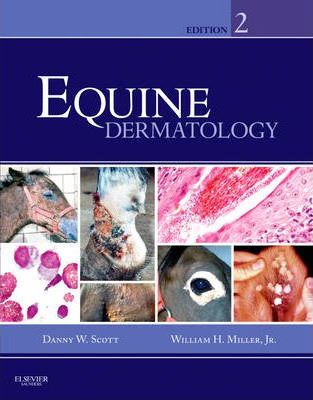
De: Danny W. Scott & William H. Miller
ISBN: 9781437709209
2011, Elsevier
Capa dura
Páginas: 552
De: Danny W. Scott & William H. Miller
ISBN: 9781437709209
2011, Elsevier
Capa dura
Páginas: 552
Diagnose, treat, and manage equine skin disorders with the most comprehensive reference available! With 900 full-color photos, Equine Dermatology covers skin diseases ranging from those that merely annoy the horse to others that interfere with the horse's ability to function in riding, working, or show. Thorough coverage includes essential basics and practical diagnostic methods, therapies, and specific abnormalities and defects. The book describes the structure and function of the skin, and discusses disorders including bacterial, fungal, parasitic, viral, protozoal, allergic, immune-mediated, endocrine, metabolic, and nutritional diseases. It also covers congenital and hereditary defects, pigmentation abnormalities, keratinization defects, environmental skin diseases, and skin tumors. Written by renowned equine dermatologists Danny Scott and Bill Miller, this all-inclusive resource covers the latest dermatologic topics and the newest therapies.
New to this Edition
Key Features
1. Structure and Function of the Skin
2. Diagnostic Methods
3. Dermatologic Therapy
4. Bacterial Skin Diseases
5. Fungal Skin Diseases
6. Parasitic Diseases
7. Viral and Protozoal Skin Diseases
8. Skin Immune System and Allergic Skin Diseases
9. Immune-Mediated Disorders
10. Endocrine, Nutritional, and Miscellaneous Hair Coat Disorders
11. Keratinization Defects
12. Pigmentary Abnormalities
13. Environmental Skin Diseases
14. Congenital and Hereditary Skin Diseases
15. Miscellaneous Skin Diseases
16. Neoplasms, Cysts, Hamartomas, and Keratoses
Danny W. Scott, DVM, DACVD, Professor of Medicine, Department of Clinical Sciences and Department of Biomedical Sciences, College of Veterinary Medicine, Cornell University, Ithaca, NY
William H. Miller, Jr., VMD, DACVD, Professor of Medicine, Department of Clinical Sciences and Department of Biomedical Sciences, College of Veterinary Medicine, Cornell University, Ithaca, NY